Keeping your home safe and clean has always been important, but during the coronavirus pandemic, it has become even more essential. Understanding how germs spread and how to reduce the risk of infection can give families peace of mind. Cleaning tips to prevent COVID-19 focus on minimising contamination of surfaces and reducing the chance of transmission in your household. In this blog, we will help parents, caregivers, and anyone living with others learn practical ways to maintain a cleaner, safer home.
By following these strategies, you not only protect yourself but also help safeguard those around you, including children, elderly family members, or anyone with a weaker immune system. Practising consistent hygiene, such as regular handwashing, disinfecting high-touch surfaces, and properly ventilating living spaces, can significantly reduce the spread of viruses and bacteria in your home. Additionally, teaching household members about simple habits like covering coughs and sneezes, avoiding close contact when feeling unwell, and safely handling groceries or deliveries reinforces a culture of safety. These measures create a protective environment, giving everyone in your household greater confidence that they are doing their part to stay healthy and minimise the risk of infection.
How COVID-19 Spreads at Home
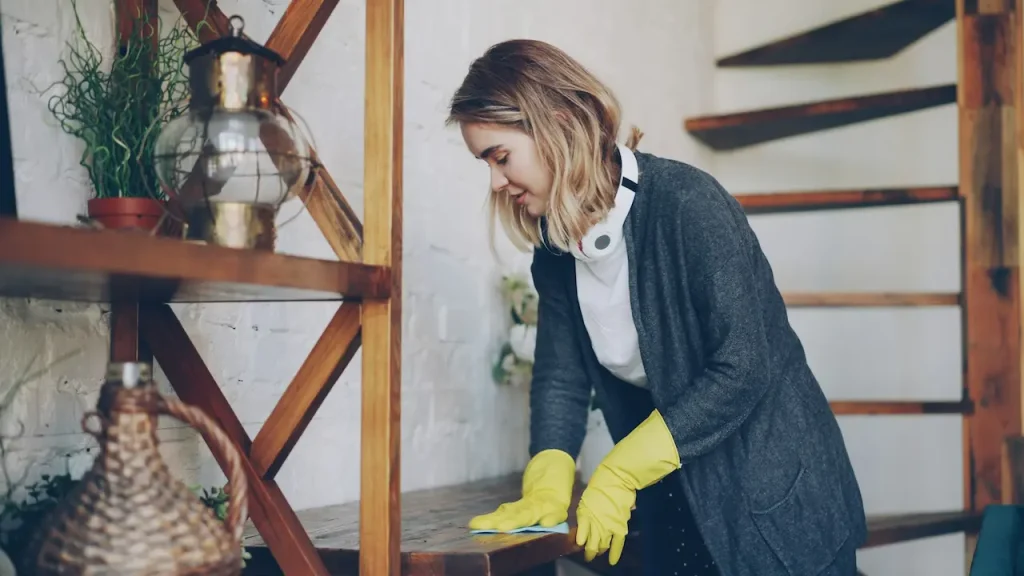
Coronavirus mainly spreads from person to person through tiny droplets released when someone coughs, sneezes, or even talks. These droplets can land on surfaces, where the virus may survive for hours or even days, depending on temperature, humidity, and the type of material.
Contaminated surfaces can serve as an indirect way for the virus to spread. If someone touches a surface that has the virus on it and then touches their mouth, nose, or eyes, infection is possible. While surfaces may not be the primary route of transmission, keeping your home clean can significantly reduce this risk.
Parents and caregivers should be especially mindful of frequently touched objects like doorknobs, light switches, and shared electronics, which are more likely to harbour germs. Key transmission points include respiratory droplets from coughing or sneezing, touching contaminated surfaces, and handling shared household items.
Cleaning vs. Disinfection: What’s the Difference?
Cleaning involves removing dirt, organic matter, and germs from surfaces. This step is important because dirt and grime can reduce the effectiveness of disinfectants. Proper cleaning ensures that surfaces are ready for disinfection and helps lower the overall amount of germs present.
Disinfection uses chemicals to kill germs on surfaces after they’ve been cleaned. Applying disinfectants to a dirty surface is less effective, so cleaning first is always recommended. Both cleaning and disinfection work together to reduce the risk of infection and keep your home safer.
Cleaning Steps
- Use soap and water to remove dirt
- Rinse or wipe surfaces thoroughly
- Focus on visibly dirty areas first
Disinfection Steps
- Apply an EPA-approved disinfectant
- Follow the product instructions for contact time
- Target high-touch surfaces for maximum impact
Identifying Areas in the Home That Are Frequently Touched
Certain objects and areas in the home are more likely to become contaminated with germs, including viruses like COVID-19. Items that are handled frequently, such as doorknobs, light switches, and shared electronics, can quickly accumulate bacteria and viruses if not cleaned regularly. Paying attention to these spots ensures that your cleaning routine targets the areas where germs are most likely to spread.
Focusing on high-touch areas makes your cleaning efforts more effective and helps reduce the overall risk of infection for everyone in the household. By combining frequent cleaning with proper hand hygiene, you can significantly lower the chance of germs transferring from surfaces to people, keeping your home safer and healthier.
Electronics
Devices such as phones, tablets, TV remotes, and computer keyboards are handled frequently throughout the day, often without washing hands beforehand. Germs can survive on these surfaces for hours, so it’s important to wipe them down regularly with disinfectant wipes or a cloth dampened with a mild cleaning solution. Pay special attention to shared devices that multiple family members use.
Kitchen Surfaces
The kitchen is a hub of activity, making it a prime area for germs to spread. Countertops, cupboard handles, refrigerator doors, and appliance buttons are all touched repeatedly while cooking, preparing food, or cleaning up. Wipe these surfaces daily with a disinfectant, and clean up spills immediately to prevent bacteria and viruses from accumulating.
Bathroom Surfaces
Bathrooms naturally harbour germs due to frequent moisture and use. Faucets, toilet handles, light switches, and even shower knobs are touched repeatedly and can carry viruses or bacteria. Clean these areas daily, and disinfect at least once a day, or more often if someone in the household is sick.
Door Handles and Handrails
Any place where multiple people touch regularly, such as doorknobs, stair rails, or shared cabinet handles, can quickly become a source of germ transmission. Pay attention to these areas, especially in high-traffic rooms, and wipe them down with disinfectant at least once daily.
Since hands are a primary way germs travel, frequent cleaning of these high-touch surfaces combined with proper hand hygiene is one of the best ways to prevent infection. Encouraging everyone in the household to wash their hands before and after using shared items further reduces the chance of contamination.
Cleaning Techniques That Work
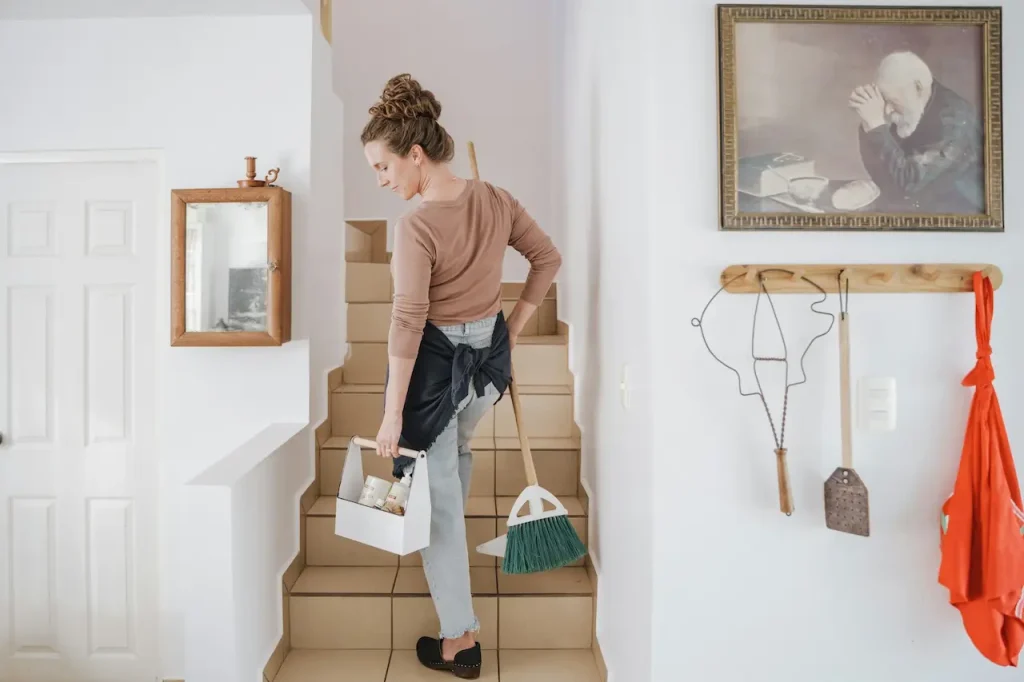
The coronavirus is vulnerable to heat, soap, and common detergents, which makes proper cleaning techniques highly effective at reducing the risk of infection. Regular cleaning of surfaces removes dirt, grime, and germs, creating an environment that is less hospitable for viruses and bacteria. Using the right tools and methods ensures that surfaces are thoroughly cleaned without spreading germs to other areas.
To clean effectively, start by wiping surfaces with soap and warm water to remove visible dirt. Use a cloth, paper towel, or disposable wipe, and work in a single direction to avoid recontaminating cleaned areas. After this, you can follow these practical cleaning tips to make your routine more efficient and thorough:
Surface Cleaning
- Use a paper towel, cloth, or disposable wipe to remove visible dirt
- Clean from one side of the surface to the other in an “S” pattern
- Wash reusable cloths in the washing machine with warm water
Hand Hygiene During Cleaning
- Wash your hands immediately after cleaning
- Use an alcohol-based hand sanitiser if soap and water aren’t available
- Avoid touching your face until your hands are clean
Keeping Laundry, Dishes, and Household Items Germ-Free
Cleaning doesn’t stop with surfaces; household items like laundry and dishes also need regular attention to reduce the spread of germs. When handling laundry, wash clothing, towels, and bed linens in the warmest water that is safe for the fabric. Avoid shaking dirty laundry, as this can release germs into the air, and make sure all items are completely dry before using or storing them.
Dishes and cutlery should also be cleaned thoroughly. For most items, hot water and detergent are sufficient to remove germs, while dishwashers are especially effective due to their higher temperatures, which can help kill bacteria and viruses. By paying attention to these everyday household items, families can further reduce the risk of infection and maintain a safer home environment.
Tips for Maintaining a Clean Home Daily
Consistency is key to keeping your home safe, and incorporating simple daily routines can make a big difference in reducing the spread of germs. Regularly wiping down high-touch surfaces, washing your hands after returning from public places, and encouraging children to clean up their own spaces, toys, and devices all help maintain a cleaner environment. Keeping cleaning supplies easily accessible allows everyone in the household to participate, making daily hygiene habits easier to follow and more effective at preventing contamination.
Daily Cleaning Habits
- Wipe frequently touched surfaces at least once a day
- Wash your hands after returning from public spaces
- Encourage children to clean their toys and devices
- Keep cleaning supplies accessible for everyone
The Importance of Cleaning During COVID-19
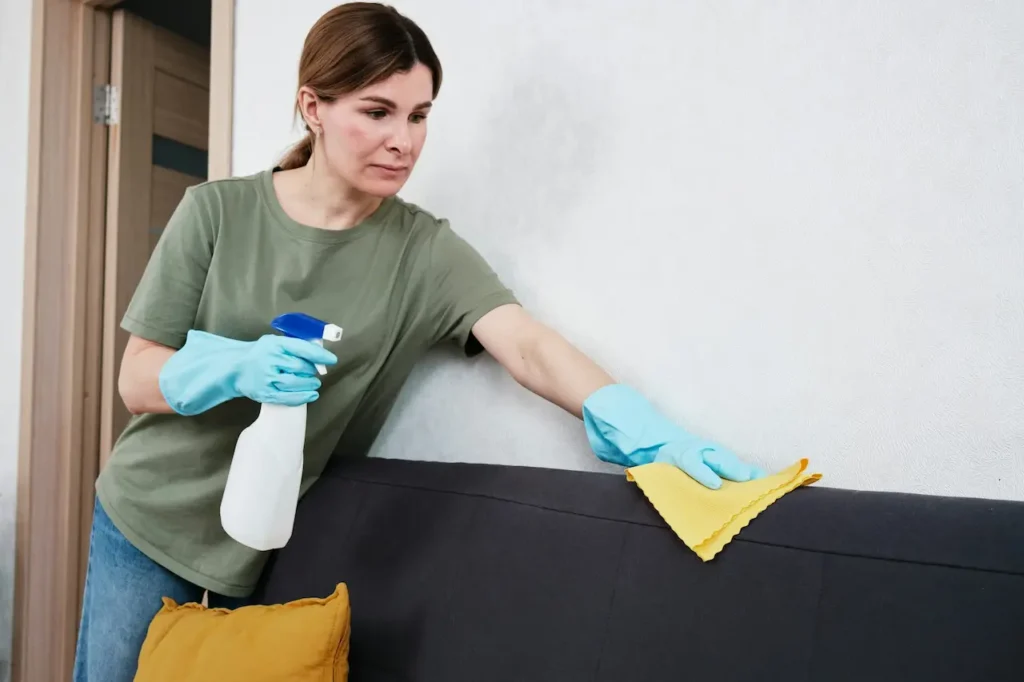
Keeping your home clean has never been more important than during the COVID-19 pandemic. The virus can survive on surfaces for hours or even days, making frequent cleaning and disinfecting a crucial step in preventing its spread. High-touch areas like doorknobs, light switches, electronics, and countertops can easily harbour germs, and regular cleaning reduces the risk of contamination for everyone in the household, including vulnerable family members such as children and the elderly.
Beyond protecting against COVID-19, maintaining a clean home also helps prevent the spread of other common illnesses like colds, flu, and stomach bugs. By incorporating consistent cleaning routines and proper hygiene practices, families can create a safer environment, reduce the risk of infection, and build habits that support long-term health and well-being.
Conclusion
Maintaining a clean home is one of the most effective ways to protect yourself and your family from COVID-19 and other infectious diseases. Following cleaning tips to prevent COVID-19, focusing on high-touch areas, proper cleaning techniques, and preventive habits, can greatly reduce the risk of infection.
Remember, a cleaner home doesn’t just feel better, it keeps everyone safer. By making cleaning and hygiene a daily routine, families can create a healthier, more resilient household environment.