The journey of pregnancy is one that is full of transformations. One of the biggest decisions for expectant mothers is where and how they will give birth. Women can choose a birthing method that best suits their comfort, health, and personal preferences. Understanding your birthing choices can help parents feel more confident and supported during the birthing process. This will reduce anxiety and give them a greater sense of control.
Knowing your options will help you make the best decision for you and your child. Each option has its own advantages, support systems, and factors that can influence the experience of labour and delivery. Understanding the differences between each environment will help you to ensure that your values, preferences and safety concerns are addressed right from the beginning.
It’s not only about the logistics when it comes to exploring birthing options. It is also about being emotionally prepared. Women who are aware of their options can better communicate with their healthcare team, speak up for themselves in labour, and feel more empowered.
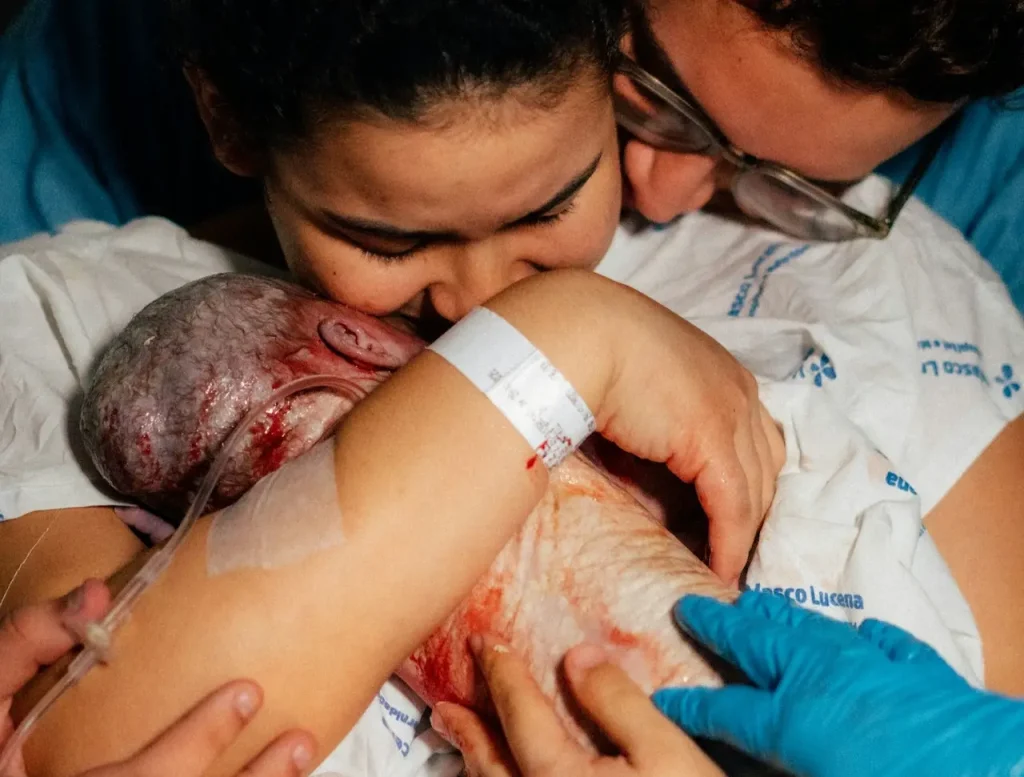
Preparing for Your Birth Journey
Education is the first step to exploring your options. Expectant mothers can make better decisions when they are informed about all the options, the support that each environment offers and the guidelines to ensure a safe, positive birth. Understanding these elements promotes an open dialogue with healthcare professionals and fosters a proactive approach to labour and birth.
An informed mother can confidently discuss her preferences, ensuring her values are prioritised while also accommodating medical considerations. Knowing about natural labour, alternative options, and interventions can turn childbirth into a positive experience.
Early preparation can reduce stress and anxiety through the clarification of expectations and possible outcomes. Prenatal education provides parents with the tools they need to be active participants in decisions, advocate for comfort measures and create a birthing schedule that is tailored to their individual needs.
Traditional Supported Hospital Birth
Most women choose to give birth in a hospital because they can get immediate medical attention if complications arise. These hospitals have operating theatres and neonatal wards, which makes them the ideal choice for high-risk pregnancies or situations requiring medical intervention. In a hospital, both mothers and their babies receive the best possible medical care. The advantage of hospital births is that they are staffed by a team of obstetricians and midwives who have been trained to respond quickly in case of an emergency. Hospitals also offer a range of pain relief methods, such as medications and epidurals. These can be useful for women in need of medical assistance during labour.
Despite the clinical setting, women still have options in hospitals. Skin-to-skin, delayed cord clamping and different labour positions are all becoming more popular. Mothers can have a more personalised hospital experience by advocating these practices. This approach is a
Birth Centres: A Balanced Alternative
Birth centres are a good middle ground between homebirths and hospital births. They combine professional medical supervision with a relaxed atmosphere. These centres are usually staffed by midwives and focus on natural childbirth techniques. They also create a supportive atmosphere for the mother and her family. These centres provide a safe environment where birth can occur with minimal medical intervention. They also ensure rapid access to emergency treatment if needed.
These centres encourage mothers to be mobile during labour. They may also use a birthing ball and comfort measures such as water immersion. Where available, water birthing facilities can reduce anxiety and pain while encouraging relaxation and a feeling of control during labour. Birth centres are often family-centred, with partners and loved ones involved in the process. They also foster connection and support during labour.
Birth centres are an attractive alternative for women who want a less clinical environment without compromising safety. Birth centres balance autonomy and professional oversight to allow mothers a more natural experience of birth while still feeling confident that they can get help if complications arise.
Comfort and Personalisation in Home Birth
Home births can be a great option for women with low-risk pregnancies. They offer a personalised and intimate experience. In a familiar environment, mothers are able to maintain control of the surroundings and use positions that feel comfortable. Home comforts can help reduce stress and strengthen bonds with family and baby.
Midwives and doulas are often present to provide support and guidance during labour. This model emphasises flexibility by allowing mothers to decide on practices like water immersion, delayed cord clamping, and constant skin-to-skin touch. Focus is placed on creating an experience of birth that emphasises comfort, family involvement, and emotional support.
Home births require strict safety protocols. In most guidelines, at least two birth attendants are required, and emergency procedures must be followed. This ensures that any complications can quickly be dealt with. This method balances the intimacy and reliability of professional care with the personalisation of a home birth, giving women both protection and personalisation.

The role of midwives in supporting women during pregnancy
No matter where you give birth, midwives play a crucial role in the choices that you make. Midwives provide women with emotional and physical support, as well as expert guidance and advocacy. Midwives provide continuous care to mothers, helping them feel heard and respected.
Midwives provide personalised care that allows mothers to learn about labour techniques, prepare for childbirth, and understand possible interventions in a manner that is aligned with their values. Midwives educate parents on each stage of labour, helping them make informed decisions while maintaining professional oversight.
Midwives also serve as a link between families and the wider healthcare system. They ensure that communication is clear and concerns are promptly addressed. Their presence also helps to support decisions in routine or emergencies. Respecting midwives and working together with them can improve birth outcomes and increase maternal satisfaction.
Explore Non-Traditional Options
Some families opt for unconventional birthing methods, like planned unattended or “free births”, where there is minimal medical help. These options are rare and highlight the importance and autonomy of personal choice and autonomy in childbirth. They allow women to prioritise privacy and control in the birthing experience.
Although non-traditional births may give a feeling of empowerment, careful planning and preparation are required, as well as the support of trained professionals if necessary. To ensure the safety of mother and child, it is important to be aware of local regulations and emergency procedures.
When exploring these options, it is important to consider your values and make informed decisions. You should also be prepared. Women who are considering non-traditional births should weigh the risks against the benefits and make sure that they have access to professional support in case complications occur.
Considerations on Regional Access
Location can impact the options for birthing. Women who live in rural areas or are underserved may have to deal with challenges like limited maternity services, long travel time, or having to move during labour. These factors may influence decisions and can sometimes lead to planned interventions such as scheduled Cesareans for reasons other than medical necessity.
Planning and being aware of local resources can reduce the stress that comes with travel or limited options. By researching local hospitals, birthing centres, and homebirth attendants, you can ensure that support is available when it’s needed. Women can give birth in a safe environment even when they have limited resources by proactively communicating and learning about the available services.

Supporting Women’s Rights and Autonomy
Every woman has the right to make informed decisions about her birth. Advocating for maternal rights ensures that mothers feel respected and empowered regardless of where they give birth, whether at home, a birth centre, or in a hospital. Communities, healthcare systems and policymakers can strengthen these rights by increasing access to different birthing options, providing information and promoting maternal well-being.
Respecting autonomy means also supporting women to express their preferences during labour. This includes the right to refuse or accept interventions, privacy and a priority on emotional and physical support during birth.
In fostering an environment that respects choice and individuality, the society can create a safer, more respectful and more satisfying experience of childbirth. Women’s rights are important for families, communities and mothers alike.
Embracing Your Birth Journey
A birth plan is an extremely personal decision. It requires careful consideration of your medical needs, preferences and values. Understanding your options for birthing, working with healthcare professionals who are knowledgeable, and planning carefully can all help to create a supportive and safe experience for mother and baby.
Women should make informed decisions and receive personalised care. They should also have access to emotional support, whether they choose a homebirth or a birth centre. Every woman deserves to make choices that respect her body and her wishes and celebrate her baby’s arrival. Childbirth is an incredibly transformative experience. Mothers can approach birth with confidence and pride by preparing, educating themselves and receiving support.