Ten Things Primary Schools Should Do Differently
Primary schools play a crucial role in shaping children’s development, but there are important areas they should rethink to better meet students’ needs. For Australian parents, understanding these changes can help support their child’s educational journey and wellbeing. child development. Raising Children Network.
We have been lucky to be part of an educational community that is full of intelligence, achievement, dedication, and care. Teachers, fellow parents, and the school leadership have offered genuine, unwavering support–particularly during some difficult times when my son needed it most. This primary school has shaped my three children in many ways. baby care. Raising Children Network.
No institution is perfect. There are a few changes that I would like to see in primary schools, not all of them, but many. Unfortunately, systems that can so dramatically lift children can also let them down, in a quiet but significant way. Some of these feel like missed opportunities, given what we now know about child development and curriculum.
Here’s a list of 10 things that I would like primary schools to do differently (and in many cases should), so all children, not just a few lucky ones, can flourish.
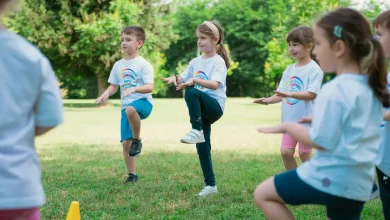
1. Choose Teams Fairly – Drop the “Captain’s Picks”
When I imagine children standing in line as two captains select their teams, it makes me cringe. Amazingly, this old-fashioned method persists, especially since many educators were themselves stung as children.
It may seem like a game to watch kids choose their friends, but it can be a way of destroying confidence and enforcing social hierarchy.
Kids need to be resilient, but not in this way? This is not a lesson that will last a lifetime. They can learn about teamwork, adaptation, and inclusion in other ways.
It’s absurd. It’s easy to fix: randomly assign teams (names into a hat) or rotate groups based on strength. Your teams should be determined by fairness and not popularity.
2. Do Not Favor Any Students. All Deserve Equal Attention
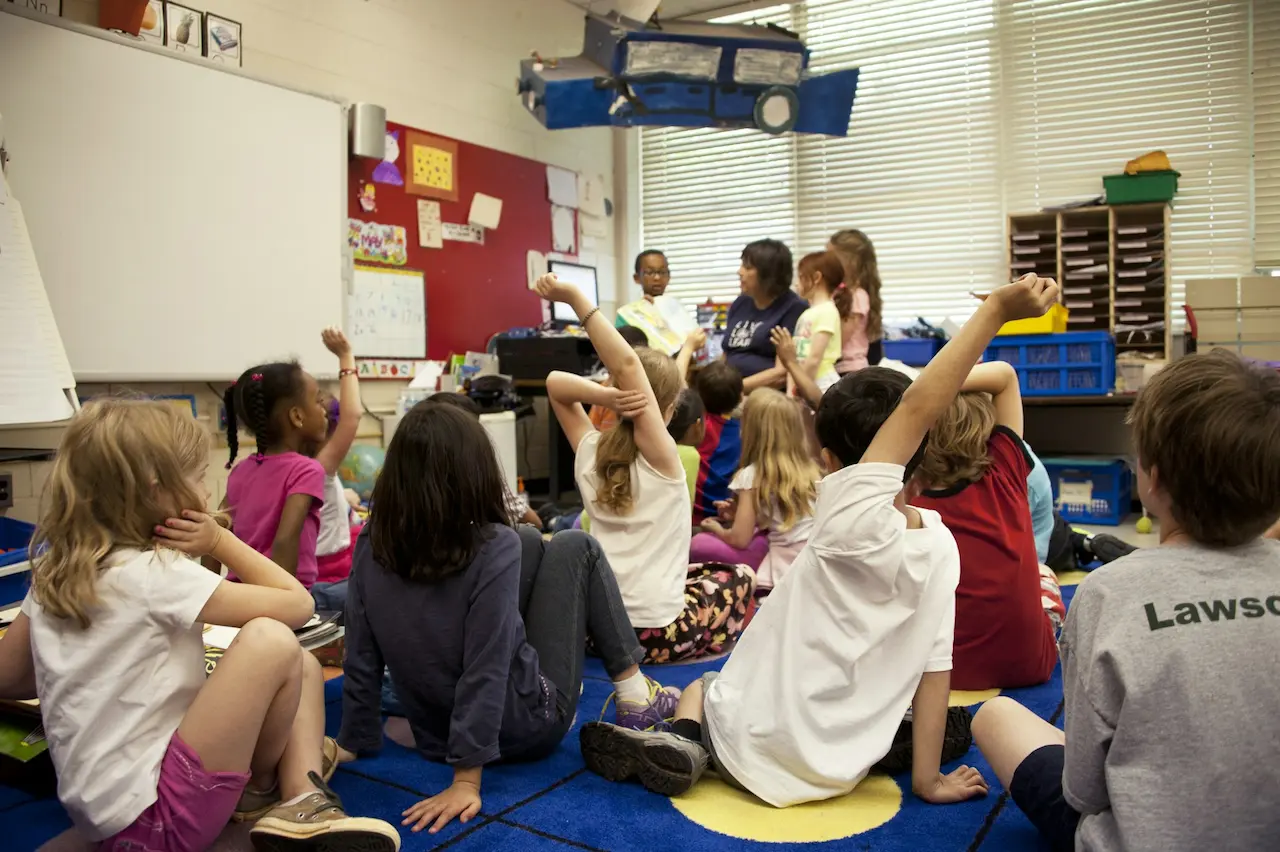
Like all people, teachers have their preferences. Some students are more outgoing or polite, while others are more eager to take part. Even unintentional bias can send strong signals in the classroom.
Children are keen observers. Kids are keen observers. They observe who is praised more, who is called upon more, and who gets second chances. Teachers’ pets can be a label that isolates some and inspires others. It also introduces unhealthy dynamics. children’s health.
The experience of every child is important. Fairness in the classroom is strengthened by being equitable with praise, resources, and encouragement. Recognize their efforts, not only the most obvious or compliant.
3. Don’t Just Reward “That Kid”
There’s always that one kid at almost every award ceremony. It’s the kid whose ribbons and awards rack is so crowded it’s almost comical. Yes, they are talented. But, often, the same child is chosen for dance teams, debate squads, library duty, and sports teams.
It’s fine to celebrate excellence, but it can also be a mistake. If the same student is given every chance, other students who are equally capable don’t have a chance to shine. It’s more important to let them try to win a comparison.
It’s not about punishing achievers, but about bringing more people into the limelight. When possible, rotate opportunities. Encourage new talent. Encourage the development of emerging talents.
4. Let’s Rethink Homework and Prioritize Family Time
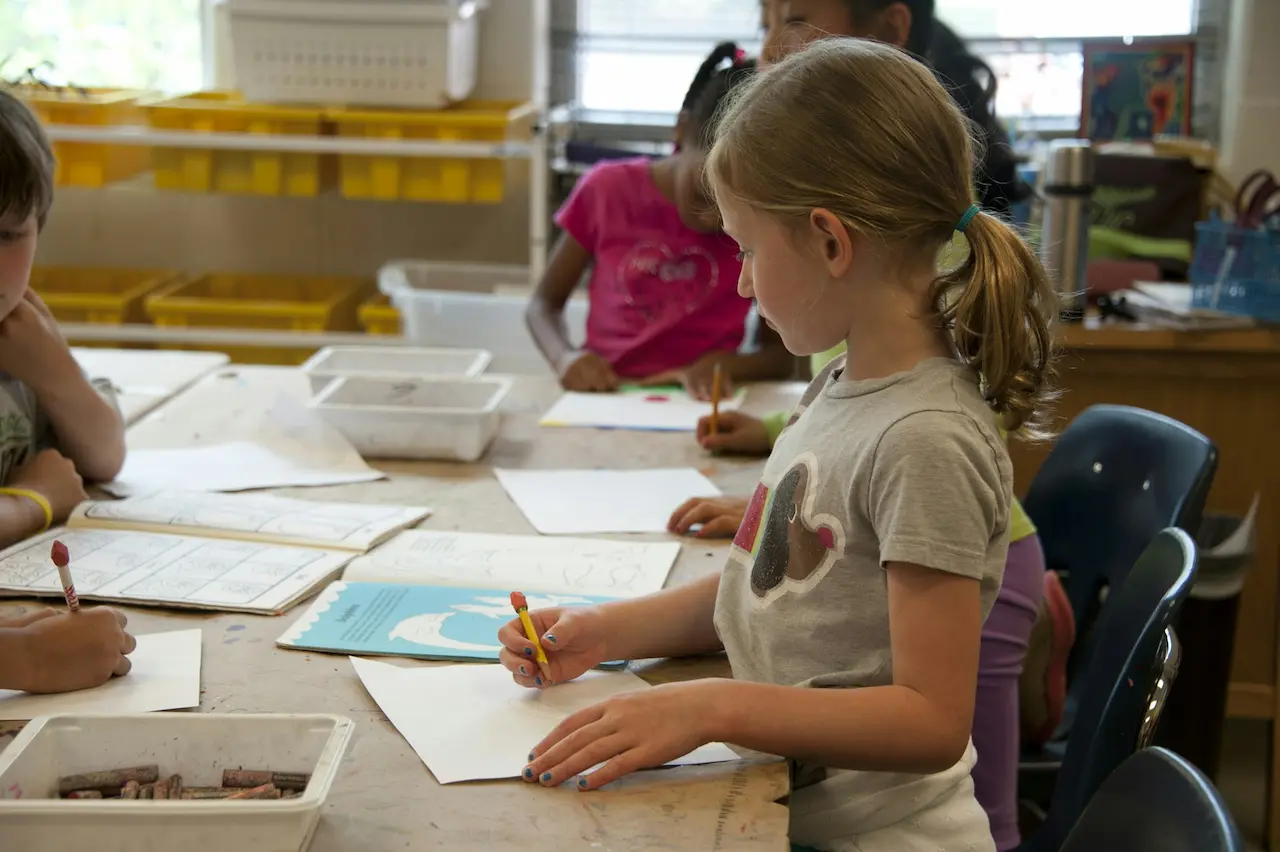
I have searched and found no convincing evidence that homework other than reading or core skills is beneficial to primary-aged children. But posters, models, and projects must be created, often at midnight, under the supervision of parents, to complete them.
Parents aren’t ruled by the school calendar. Families have to juggle everything: jobs, siblings, meals, and more. Dioramas, creative booklets, and other projects like these are often thrown in the recycling bin. They add clutter to our lives but do not contribute to education.
We’ll deprioritize this assignment. Make homework fun, manageable, meaningful, short, rt, and enjoyable (reading, times table). It is important to make learning fun and enjoyable, not exhausting.
5. Encourage Inclusion with Intention but Avoid Forced Play
The intention of those who introduce “buddy policies”, or mandates for rotating friendships, is to build empathy, discourage exclusion, and encourage kids to go beyond their own circle. These are important, and I support them.
It’s not okay to force a child who is uncomfortable or doesn’t enjoy playing with you. Respecting personal boundaries is important. Yes, you can offer gentle invitations. No to mandatory socialization
A child should have the option to opt out. Include doesn’t mean forcing relationships. It’s more about showing how to be respectful and kind in your invitations, while also allowing for autonomy when the relationship is not comfortable.
6. Honor Parents’ Varying Schedules by Mixing Up the Timetable
The schedules of parents are no longer fixed. Employers demand flexibility. Calendars are full, and family routines change. But schools still rely heavily on tradition – P&C meetings are always held on Tuesday nights, and Assemblies on Thursday mornings.
Result? The result? Many parents who are consistently unavailable miss out. Evmonthmonth the same volunteers attend, while others disappear into silence. This doesn’t have to be the case.
Change the meeting dates/months. Online attendance is possible, le or virtual attendance can be offered. Rotating schedules can accommodate repeat absentees. Flexibility equals engagement.
7. Leave the 1950s Behind and Adapt to Modern Family Needs
What I have noticed is that many schools seem to be auditioning for an old-fashioned sitcom. It’s strangely nostalgic to see school hours, volunteer expectations, and communication styles in the age of digital communication.
Parents today have to juggle work, depression, and divided households. They also face longer commutes. The schools don’t have to retreat from their commitment to family engagement, but they must meet halfway.
Ideas? Ideas? Modern systems are needed to keep up with the times.
8. Treat Parents as Adults and Allies, not Subordinates
Parents often feel that schools are ignoring their concerns, telling them what should happen, and giving lectures as disciplinary messages.
I’ve seen this happen: A school will send out directives that are strongly worded, as if the parents were causing trouble rather than being collaborators with a child. The tone of the message is important. Choose partnership, not patronizing directives.
Parents deserve respect, transparency, and informed communication. The school can either strengthen the parent-child relationship or damage it with the wrong tone.
9. Focus Anti-bullying Efforts on Root Causes, not Just the Victims
Bullying programs are everywhere, but most still concentrate on training the bully to be resilient, showing sympathy to hurt children, and holding locker-room workshops. It’s all important, but it seems to treat symptoms and not the causes.
What about programs that explore empathy, conflict management, emotional regulation, and why a kid might become a bully? Let’s flip this narrative and focus on how to prevent harm rather than just react to it.
It is important to have a clear definition of bullying. Not all mean comments are bullying, and not all problems are symmetrical. Along with literacy and numeracy, emotional intelligence should be a priority in the classroom. Early learning is crucial for lifelong success.
10. On the Whole, Try Harder Schools Do Good Work, but Sometimes Parents Push Back
I believe that schools are a valuable institution, despite all of the above. Perhaps because I love education and respect teachers. They teach children, keep them safe, and help shape their future.
There must still be room for honest criticism. We must speak out when schools resort to exclusion, letter-shaming, or dress codes that feel punitive rather than practical. Not to punish but to improve. We must act strategically and thoughtfully to support the greater good.
We shouldn’t micromanage individual classrooms because of our personal comfort levels. Education is not just about your child, but about the children of our entire society. Advocacy is important. Let’s be respectful and clear.
Conclusion
Many of these ideas are based on frustrations that I hold dear. But they’re also tempered by gratitude, understanding, and a desire to see all schools reach their full potential. I have watched my children flourish in school with the support of educators who truly cared. They deserve these heroes, and every child should have the best possible environment.
This is for parents who are navigating the primary school system. If you are an educator or oradministratort, I hope this encourages thoughtful reflection and meaningful changes.
Our children deserve both stability and curiosity. They also deserve equity and empathy.
Let’s build them schools that are worthy of their brilliance.