Why Most Kids Did Just Fine During Remote Schooling and What It Means for the Future
Remote learning success has surprised many Australian families as most children adapted well during lockdowns. Despite challenges, national test results show that many kids maintained or even improved their skills, offering valuable insights for the future of education. child development. Raising Children Network.
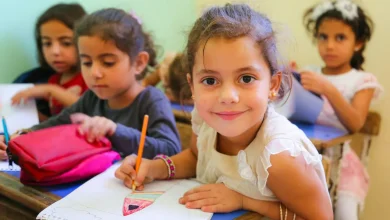
Here’s an important insight: the majority of children coped with remote schooling well, and often thrived in unexpected ways.
National Results: A Rock-Solid Foundation
NAPLAN is the most reliable test. The results are reassuring.
Comparing 2019 (before the pandemic) to 2021 and 2020, the national reading, writing, and numeracy scores in Years 3, 5, 7, and 9 were largely unchanged. The scores were even slightly higher in some areas, such as primary reading. In one region, the statistically significant improvements in writing Year 7 were even seen. These results showed the incredible resilience of the entire education system.

Interestingly, students in regions with extensive lockdowns performed comparably to those with minimal interruptions–suggesting that remote learning, while challenging, didn’t devastate literacy or numeracy outcomes.
Slight Slips & Surprises
The picture isn’t completely stable. There were pockets where the picture was a little bleak, but there were also notable changes.
- Numeracy dropped by a few percentage points in various years ‘ levels, especially around Years 5, 7, and 9. These slight declines in numeracy were felt across the country.
- The reading performance of Year 9 boys has fallen to its lowest level ever recorded, with almost one in seven failing to meet the basic reading standards.
- During lockdowns, younger primary students showed a slight drop in their foundational skills, such as grammar and punctuation.
- One study at the international level found that Victoria’s Year 4 Reading scores fell when remote learning periods were in effect, but basic literacy standards among the majority remained the same.
The findings indicate that, while learning levels were stable overall, some areas of stress were identified – especially among older boys and younger beginner students – which require support.
Why Remote Learning is Less Harmful than Feared
Initially, remote learning was viewed with a great deal of concern. However, recent studies have shown that it is not as harmful as some feared. Many students have thrived and adapted to this new method of learning, despite the challenges.
1. Self-Determination is the Driver of Learning
According to psychological research, when learners feel competent and autonomous as well as connected, they will learn more deeply.
Students are often offered remote learning:
- Autonomy: More control of pace and environment
- Improved awareness of their own strengths and weaknesses (competence).
- Strong family support (relatedness) and collaborative learning
This trio of motivations may have helped to sustain learning in areas where traditional schooling had its limitations.
2. The Superpower of Parental Engagement
The lockdown fundamentally altered the roles of parents: they became emotional anchors and motivators, as well as tutors. Families found that more involvement can still lead to positive outcomes.
This shift in home-school partnership provided real-time insight into each child’s learning trajectory–improving support and responsiveness.
3. Structured Routines & Tech Access Balanced Disruption
Contrary to popular belief, remote days did not always mean disengagement. Thanks to technology and the routine, attendance was as good or higher than during traditional schooling.
Australia’s internet coverage was reliable, and the public health climate was calm, resulting in fewer days lost due to illness. The southern hemisphere’s strict pandemic restrictions actually contributed to more uninterrupted learning–surprisingly, a net gain for continuity. children’s health.

Early insights: School May Not Be the Only Place Where Learning Happens
The remote learning method raised many questions regarding the learning process.
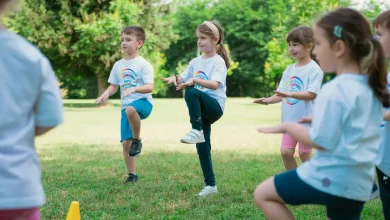
- Learning does not only happen in the classroom or on worksheets. Inspiration can come from asking questions about how things work, searching online for answers, fixing toys, or playing games that inspire problem-solving.
- Digital literacy, family conversations, and curiosity-driven projects have shown that growth can be achieved outside of formal instruction.
It was not always possible to capture the impact of these informal learning moments in test scores.
What We Can Do Now: Supporting Families and Schools
To help students achieve their goals, it is important to support families and schools. We can build stronger communities by working together and providing the tools that children need at home and in school.
You Can Trust that Remote Learning Didn’t Cause a Total Loss
Many children continued to learn at home. You shouldn’t worry about the “educational damage” that was caused.
Watch for early signs in key areas
Pay extra attention to:
- In the core years (for example, Year 5), there are numerical gaps.
- Boys in secondary schools are more confident when it comes to reading.
- Basic grammar and spelling for younger students
Early intervention in these areas, through targeted reinforcement or tutoring, can prevent small dips from becoming large gaps.
Foster Autonomy & Mastery at Home
Encourage your child to be independent: Ask them to choose small projects, manage tasks, or teach you new things. These actions will build your child’s confidence and motivation, even if they don’t get high scores.
Prioritise Mental Health & Social Skill Development
Even when test results appear stable, it is important to address the emotional impact of anxiety, isolation, and pandemic exhaustion. Reengagement will be aided by social recovery, such as through clubs, friendships, and group learning.
Support Broader Educational Reform
The pandemic revealed long-standing injustices: disparities between First Nations students and English-speaking students, as well as disadvantages for remote communities.
It is not acceptable to ignore children who are still behind because many of them have done well in school.
Lessons to Reinvent Education: Looking Forward
The Australian experience can be valuable in future learning strategies:
- Blended Models that balance independence with support can carry over elements of success from distant learning.
- Parent and school communication should be strengthened during lockdown. This partnership should continue to be a key one.
- Self-directed learning practices, which parents discovered while navigating through remote education, should be reinforced in schools.
- Teachers and policymakers must focus on underserved communities to ensure equity.

Conclusion
Remote schooling was not as bad as many people feared. Children continued to grow and learn despite disruptions, according to national assessments and studies.
Adaptability is evident among parents, students, a nd educators. This alone is a testament to the strength and stability of our educational foundations.
If you are worried about your child’s progress, begin by trusting them. Celebrate your small victories and observe how gentle support can help. Learning thrives when both structure and surprises are present.
You are not only keeping up, you’re also preparing resilient and self-directed learners to face an unpredictable world. parenting advice. Raising Children Network.