Five Essential Life Skills to Teach Your Preschooler Before They Start School
Preparing your child with the right skills before big school is crucial for a smooth transition. These essential skills help preschoolers build confidence and succeed socially and emotionally as they start their school journey. child development. Raising Children Network.
What should you be focusing on? Here are five life skills essential to help your child navigate the classroom, playground, and social environment.
1. Self-Regulation: Building Their Emotional Toolkit
As children grow, they gradually develop the ability to understand and manage their emotions. This is a crucial skill for your child’s school life, as situations may not always go according to plan, and emotions like anger, frustration, or sadness can arise.
Imagine that your child is confronted with a disagreement in the playground or feels overwhelmed by a difficult task at school. These moments can become stressful or upsetting if you don’t have the self-regulation skills. Giving your child the skills to express themselves positively and calm down is similar to giving them a compass. They learn to take a breath and think before reacting.

Talking openly about your feelings at home can help you encourage self-regulation. You can use phrases like “I see that you are upset.” “What can we do to make you feel better?” opens the door to meaningful conversations. The use of books that are focused on emotions is incredibly useful. Visual aids such as drawings or puppets can be used to make the concepts more relatable. Your child will gain more confidence by practicing calm-down techniques like breathing exercises, using quiet corners, or counting.
Self-regulation doesn’t happen overnight. It takes time and patience. Each time your child is able to successfully manage a difficult feeling, this skill will be strengthened.
2. Making Friends: Social Skills at the Heart of Friendship
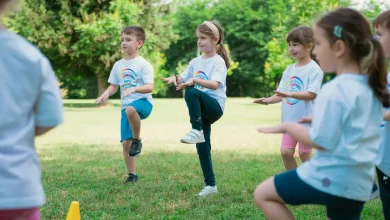
Your child will enter a social environment with adults and peers when they start school. It is important to develop social skills before this transition because they can influence the way your child learns, interacts, and makes friends.
Sharing toys, understanding other people’s feelings, and being kind are all examples of social skills. These behaviors help build strong relationships and make children feel comfortable and included in their new environment.
You can encourage your child to practice these skills every day. Encourage your child to go on playdates so they can learn how to share and cooperate in a more intimate, familiar environment. Discuss social situations with your child: “How would you feel if someone took your toy away without asking?
Another great way to foster social understanding is by reading books about kindness and friendship. Asking questions such as “What would you have done if you had been in the story?” or “How does that character feel?” will help your child understand emotions and social cues.
Social skills aren’t only about being nice. They’re also about developing emotional intelligence, resilience, and empathy. These traits will serve your child well beyond the playground.
3. Listening and Concentration: Learn to Tune in
Concentration and listening may seem simple, but these skills are the foundation for learning. Listening well is more than simply hearing words. It involves focusing your attention, understanding the instructions, and responding appropriately.
Teachers give many verbal instructions in the classroom. Children must follow these to be able to fully participate. Listening well helps a child stay focused, learn newinformationion and engage with their peers.
Turn everyday activities into listening exercises to build these skills. As your child improves, give them simple instructions that require multiple steps, such as “Go to the bathroom, bring me my favorite book, and then clap 3 times.” Listening and memory skills can be improved by games like “Simon Says”or stories where the child must recall specific details.
It is also important to model good listening behaviors yourself. Demonstrate to your child how to “whole-body listen” by turning to face the speaker and making eye contact. Praise your child for listening well.
Listening and concentration skills are important for children to develop lasting relationships with their classmates and help them manage the transitions in school.
4. Fine Motor Skill: Building the Foundations for Writing and Independence
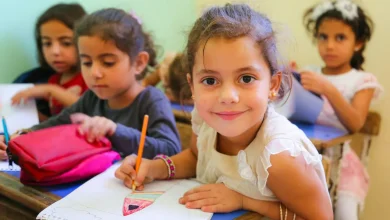
Fine motor skills refer to the small movements that children make with their fingers, wrists, and hands. These movements allow them to perform tasks like holding a pen, buttoning up a jacket, or opening a box. These skills are essential for success in early education, particularly as writing and taking care of yourself become daily activities. baby care. Raising Children Network.
To master handwriting, your child must first develop strength, ccontrolnd coordination of their fingers and hands. Playing with playdough, using child-safe scissors to cut paper, or building with blocks are all fun activities that help build these muscles.
Playful finger exercises and guided drawings can help your child learn to use the “tripod grip” (or ducky grip” for holding pencils, where the thumb and the first two fingers gently grab the pencil. Encourage your child to color and paint, as these activities also improve hand-eye coordination.
Do not forget to teach your child practical self-help techniques that are related to the development of fine motor skills, such as zipping jackets or buttoning shirts. Although these may seem like small steps, they are crucial to your child’s confidence and independence.
By incorporating these skills into your daily routines, you can make practice fun and natural. This will help to prepare your child for school and beyond.

5. Building Confidence in Everyday Life: Self-Help and Independence
The ability to take care of things on their own is one of the greatest gifts you can give to your child. Independence boosts self-confidence and prepares kids to be responsible for their personal belongings in school.
Consider stepping back if you normally help your child dress, eat, or pack. Offer support only when necessary. Encourage your child first to do things on their own. Even if their results are not perfect, celebrate them for trying. The goal is to learn and progress.
Make simple routines to allow your child the opportunity to be in charge. For example, choosing clothes for the next day, packing a backpack with some guidance, or cleaning up toys at playtime. Teach your child how to wash their hands properly and emphasize the importance of maintaining personal hygiene. This is important for both health and classroom etiquette. children’s health.
Praise your child when they accomplish an independent task. Positive reinforcement is not only motivating, but also helps to build the mindset that your child can be trusted and capable.
Teachers appreciate it when children can do small tasks by themselves. It makes the school day more efficient and allows them to focus more on socializing and learning.
The Home-School Connection: Putting it All Together
With the right preparation, it can be a new and exciting adventure. The five skills–self-regulation, social interaction, listening and concentration, fine motor skills, and independence–work together to create a strong foundation for your child’s success.
By encouraging these skills, you are showing your child that education is not only something they do at school. It is also a process that can be enjoyed throughout their lives. This strengthens the bond between you and your child, who will feel safe to explore new challenges when you encourage them.
Every child grows at his or her own pace. Setbacks and struggles are part of the process. It’s important to be patient, consistent, and believe in your child.

Conclusion
The big school is much more than a place where your child can learn numbers and letters. It’s a place where they will make lifelong friends, gain self-confidence, and develop a love for learning. You’re not only preparing your child to survive the first day of school but also to thrive on every subsequent day.
Remember that you are the best teacher and supporter for your child. Celebrate small victories, keep the journey fun, and don’t forget to celebrate the little wins. You can be proud when your child walks in with a high head, ready to experience all that awaits.