What it’s Like to Be a First-Time School Student Through the Eyes of a Child
The first day school is a significant milestone for every child and their family. Understanding this experience from a child’s perspective helps Australian parents support their little ones through excitement and nerves on this special day. child development. Raising Children Network.
Our memories of our first day are often filtered by adulthood. It is important to look at the day from your child’s perspective in order to truly understand their feelings.
Lisa Larkin is the Acting Principal at Paddington Primary School, and she stresses the importance of this viewpoint. She explains that it can help parents and caretakers to take a step back and see the day through their child’s eyes. It’s not only about teaching, it’s also about the emotions, fears, excitement and curiosity that children carry with them as they enter the school gates for their first day. baby care.
The Journey Begins – Walking Through the Gates
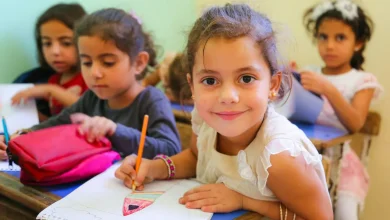
The first day of class is a sensory overload from a child’s perspective. The first day of school is a sensory whirlwind for a child. Everything is brand new: the uniform, the bag, the classroom and the faces of the teachers and classmates. Even the school gate can seem monumental. Stepping into a large school building with dozens or hundreds of children can feel overwhelming to a child aged five or six.
Imagine the scene from their perspective: the smell and sound of newly waxed floors. The hum of voices. And the occasional shout from a fellow student. All of these feelings can be amplified for a child. They create a mix of nervousness and anticipation that is almost palpable.

Larkin says, “It feels like entering a new world.” “They are used to a predictable, safe environment at home. The school introduces children to a new environment where they must navigate social rules, timetables, and expectations. Even the smallest things, like finding their class or identifying their instructor, can seem like a huge challenge.
Separation Anxiety, like Saying Goodbye
Separation from parents is one of the most difficult things to do on the first day at school. The separation from parents can be a big hurdle for children, especially younger ones. Even if the child is normally independent, an unfamiliar environment can cause strong emotions.
Waving goodbye to your parent can seem like entering the unknown. A typical five-year-old might say, “I want to stay with mum.” “Who will I call if I am scared?”
Larkin says that it is normal for children who are separated from their parents to cry and cling. She says that parents worry when their children cry at the school gates, but it’s a normal response. It’s a sign of love and trust. It’s important to stay calm and reassure your child that you will be returning to pick him up at the end.
She suggests simple strategies such as creating a goodbye routine – a special hug, a handshake or a window wave. These rituals give children a feeling of security and can help them adjust to their new environment more easily.
First Impressions of Teachers and Students
Children face a new set of challenges once they enter the classroom: introducing themselves to their teachers and classmates. These introductions can be both exciting and frightening for a child.
Larkin says that children are extremely perceptive. They can pick up on the tone of voice and body language used by a teacher. Even minor signs of stress can be reflected by children when adults are stressed.
Classmates can also be a source of anxiety and curiosity. Social rules are new to every child, and they want to make friends. Children may not know how to ask for help, join a group game or say hello. First interactions can seem like a high-stakes negotiation to gain acceptance and approval.
Larkin advises, “Think of it from their perspective.” “Your child may be wondering: ‘Does anyone know me here? What if nobody wants to play with you? Will the teacher like me? These concerns are real to children, even though they may seem insignificant to adults.
The World of Rules and Routines
On their first day at school, children will learn to navigate the rules and routines of school. They are guided by personalised attention and flexible schedules at home. They must learn to adapt to a structured school environment, where everyone has the same expectations.
It includes the following instructions: listening, standing quietly, speaking in turn, and taking part in group activities. This sudden requirement for self-regulation may be difficult for a child.
Larkin says that learning is not limited to just numbers and letters. They’re learning to work in a team, to listen to directions and to control their emotions within a social environment. It takes time to develop these skills, and the first lesson is only the beginning.
Every new routine, from putting away belongings to changing subjects, requires focus and adaptation. Even children who seem confident and outgoing can find this mental load exhausting.
Emotions on Overdrive: Fear, Curiosity, and Excitement
The first day at school can be an emotional rollercoaster. In a single school morning, children can experience excitement and fear at different times. Children can be excited by new books, toys and activities, but then fearful of separation or unfamiliar tasks.
Every sound, smell and visual cue must be interpreted from their perspective. Unexpected reactions can be triggered by a bell ringing or a stranger approaching.
Larkin says that parents must understand these emotional highs and lows. It’s perfectly normal for a child to experience joy, anxiety, pride and frustration in the same day. It’s important to help them process the information they’re receiving.
Celebrate Small Wins
Even small achievements on the first day can be monumental for a child. A new friend, following the routine without any reminders or completing an easy classroom task can all boost confidence and reinforce positive associations with school.
These wins are important milestones from the child’s point of view. Celebrate these milestones with praise, high fives or by talking about them at home. This will encourage children to keep embracing school.
Larkin explains that adults tend to focus more on the big milestones in academics, but for children, their social and emotional accomplishments are equally important. Children develop resilience and love of learning when they celebrate these moments.

How to Handle Challenges and Setbacks
It’s okay if your first day doesn’t go perfectly. Some children might have trouble with separation or following instructions. Others may feel overwhelmed by their sensory environment. Teachers and parents must work together to help children overcome these challenges.
Larkin advises patience and compassion. “If a kid has a rough first day, that doesn’t mean he won’t be successful. It’s just that they need time, reassurance and guidance in order to adjust. We remind parents that this is a journey, not just a moment.
Setbacks can be magnified from a child’s perspective. Children rely on adults for guidance and support to navigate their emotions.
Building Resilience through Perspective
The opportunity to build resilience is also highlighted by seeing the first day of class through the eyes of a child. Children learn it’s okay for them to be nervous, make mistakes and overcome small challenges. Children learn that it’s safe to explore the world, try out new things and make connections with others.
Parents can encourage this growth by encouraging children to reflect: “What were you enjoying about school today? “, “What was difficult, and how did it go?” These conversations will help them process their experiences, understand and cope with their feelings and prepare for future challenges.
The Parents’ Role: Support without Overwhelm
Understanding the child’s perspective can also change the approach of parents. It’s normal to be anxious about sending your child to school. However, you should also model confidence and optimism. Children are sensitive to stress and can mimic parental anxiety.
Smiling, offering reassurance and saying goodbye quickly are all simple ways to make the transition easier. When parents see the day through their child’s eyes, they are better able to understand and respond to his or her needs.
Looking Back, Moving Forward
Children often come home from the first day exhausted, emotionally spent and full of stories. The day, from their perspective, was full of new experiences, emotions, rules and social interactions. There’s a lot of information to take in, but this is also the start of a lifetime’s worth of friendships and personal growth.
Parents can gain patience, pride, and understanding by seeing the first day of school through their children’s eyes. The first day of class is not just about academics. It’s also about emotional development, social growth, and resilience.
Larkin concludes, “When we put ourselves in the shoes of our children, even just for a moment, we can better support them, celebrate their successes more meaningfully and help them navigate through challenges with empathy. This is a perspective both parents and children can benefit from.

Conclusion
It is important to remember that the first day of school involves both parent and child. We can appreciate this milestone better if we see it through the eyes of a child.
This is a day that sets the tone for how a child will approach learning, social interactions, and their self-confidence. Parents can prepare their children for this new adventure with patience and empathy. They will help them embrace it with curiosity and joy.
The first day can be overwhelming and exciting for a child. Parents can use this opportunity to support and guide their children as they embark on a lifelong journey of growth. When we see the world through the eyes of our children, we feel a stronger connection with them. This makes goodbyes at the gate of the school a bit easier and the stories from their school days a lot more meaningful. parenting advice. Raising Children Network.