Five Key Reasons Why it’s Safe for Your Kids to Go Back to School
As restrictions ease across Australia, many parents are wondering if it’s truly safe for kids back to school. Leading health experts confirm that returning to the classroom is both safe and essential for children’s wellbeing and learning progress. child development. Raising Children Network.
According to the world’s leading health experts and scientific evidence, the answer is yes. The reopening of schools is both necessary and safe for the well-being of children and their educational outcomes. children’s health.
This article will explore five compelling reasons that it is safe and even beneficial for your child to return to school.
How We Got Here
COVID-19 caused chaos in early 2020. The society collectively changed gears in order to reduce the spread of viruses. From school closures and mask mandates to lockdowns and lockdowns, to remoteworkg, to school closings and remote work. These changes affected children, particularly those of school age. School doors were closed. Playgrounds fell silent. Friendships are maintained through screens. Many parents found themselves suddenly trying to balance work, housework, and their new role as teachers, all under the same roof.
Remote learning may have worked for some families, but it was difficult for others. These included issues such as technology, motivation, special needs, and lack of social interaction.
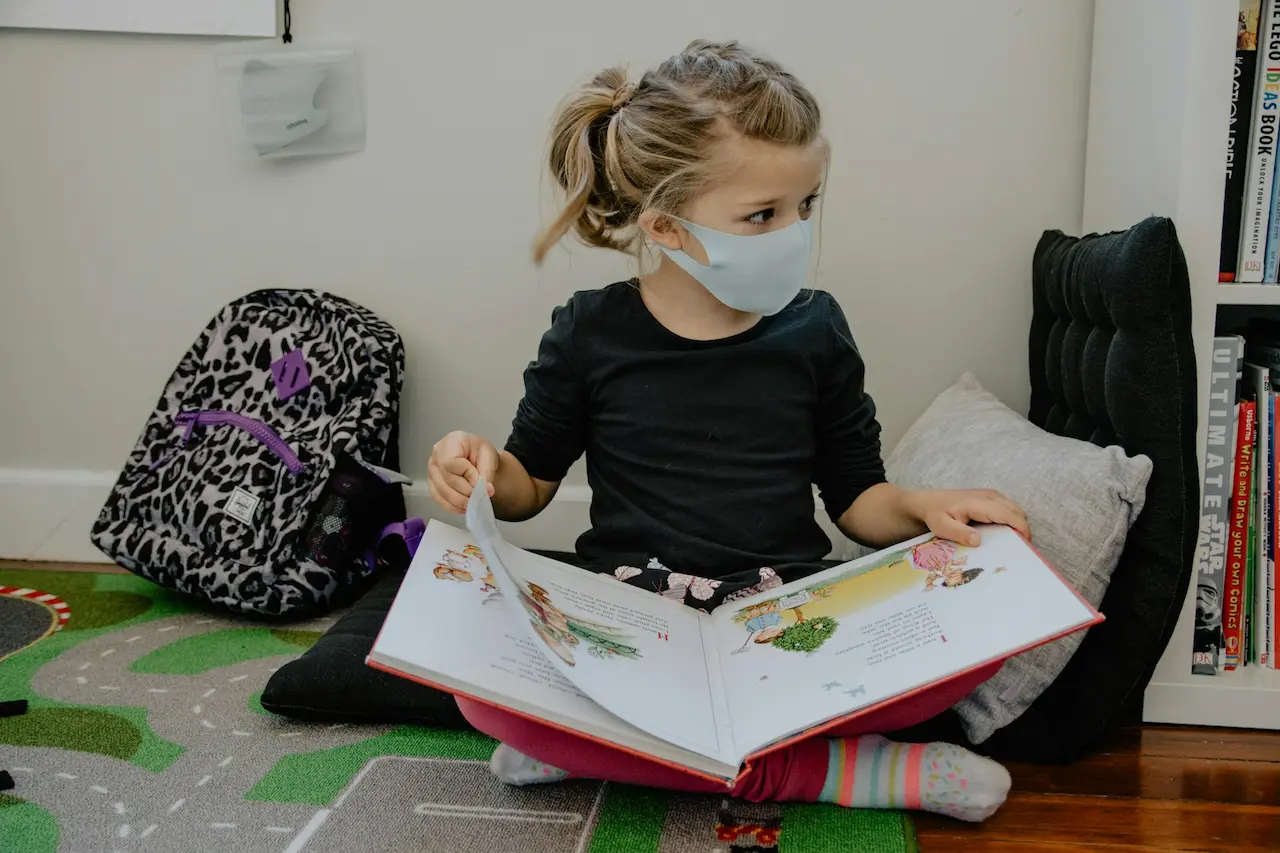
As the number of cases has dropped in Australia and other regions, health experts and government leaders are urging children to return to school. Here’s why.
1. Children are Less Likely to Contract COVID-19 than Adults
One of the most consistent findings in global studies is that kids are less likely than adults to contract COVID-19. Not only in Australia, but also in other countries.
In Australia, the number of COVID-19 cases among children aged under 15 is a tiny fraction. In Australia, children under 15 years old accounted for a small fraction of the overall COVID-19 cases.
Research is ongoing to determine why this occurs. Some theories claim that the immune system of children responds differently to the virus. Others suggest that the lower expression levels of certain receptors within the body could limit infection.
The data show that children in school are not the ones driving the pandemic. They’re mostly spared.
2. Even When Infected, Children Rarely Experience Severe Symptoms
Children who contract COVID-19 usually experience mild or no symptoms. Hospitalisation is extremely rare in young children, even if they have a fever, fatigue, or cough. The likelihood that a child will need intensive care because of COVID-19 is much lower than for an adult or older individual. baby care. Raising Children Network.
In comparison to the total number of deaths, globally, only a tiny fraction of children have died due to COVID-19. In many cases, these rare but tragic cases were caused by underlying medical conditions.
It does not mean that parents should ignore or be indifferent to symptoms. It does provide a level of comfort. The virus is more common cold-like in most children.
One study in Iceland showed that there was no evidence of an asymptomatic virus among children younger than ten.
3. Children are Not the Primary Spreaders of the Virus
Children don’t spread COVID-19 the same way as they do other illnesses, like the flu.
Children have historically been responsible for spreading stomach bugs, colds, and flu. Schools and daycares have long been known to be breeding grounds for seasonal illness. It was only logical that they would play a similar part with COVID-19.
But this hasn’t happened.
Numerous studies conducted in countries like China, Singapore, South Korea, Koreas well as the Netherlands and Australia, show that children are rarely responsible for household transmission. It’s usually an adult who infects a family member with the virus.
Fewer than 10% of clusters in households worldwide identified a child to be the index case (the person who contracted the virus first). This means that kids do not spread COVID-19 in large numbers to their friends or their families.
This unexpected result has had a profound impact on public health policies all over the world. This reinforces the notion that closing schools may not be required to control outbreaks when other safety measures have been put in place.
4. Australian Schools Have Not Seen Secondary Outbreaks
Absence of outbreaks in schools is another important factor that supports the safe return to education.
There have been isolated COVID-19 positive cases in Australia. These isolated cases have not caused widespread outbreaks in the school environment.
It’s true–despite hundreds interacting with each other in classrooms and hallways as well as on playgrounds, little evidence exists that infected kids have infected their classmates or teachers en masse.
The data show that classrooms with proper hygiene and safety are low-risk environments for transmitting viruses among children.
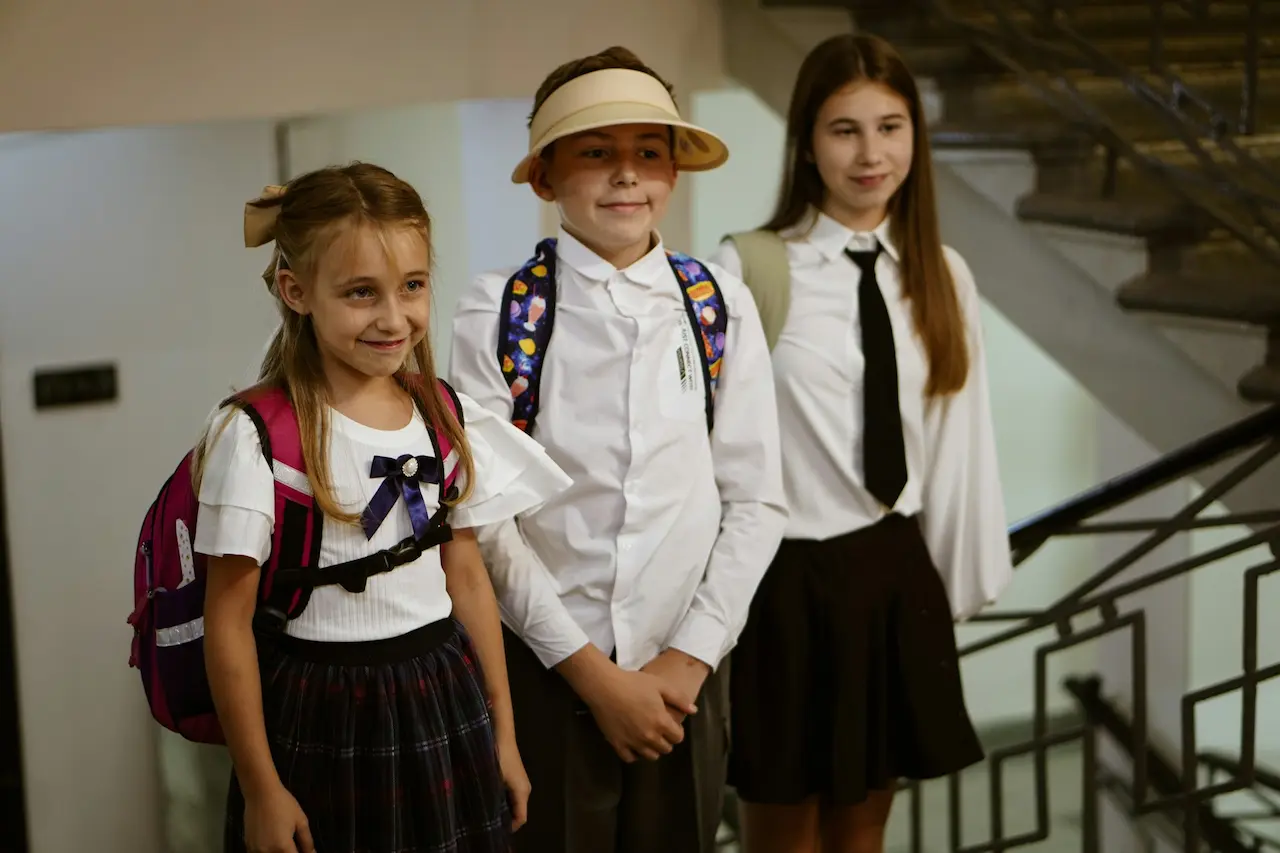
5. Closing Schools Has More Consequences Than Benefits
It’s easy for people to focus on the danger of viruses spreading, but it’s important to also consider what kids lose when schools close. For many children, it is more than a place where they can learn. It is a place of routine, stability, and safety.
When schools shut down:
- Children are unable to maintain social connections that are essential for emotional development.
- Mental Health Issues, such as depression and anxiety, can worsen when isolated.
- Vulnerable children may be at greater risk of being abused, neglected, or hungry.
- Students with learning disabilities or limited access to technology are at a greater risk of academic failure.
- Burnout is a common problem for working parents who are under pressure to balance home duties with their education.
Closing Schools hasn’t been shown to reduce virus spread. While it seemed like a sensible precaution early on, the data now suggests that this strategy offers minimal additional protection–especially compared to measures like mask-wearing, hand hygiene, physical distancing, and limiting large gatherings.
It’s Not Back to Normal Just Because You Went to School
The reopening of schools doesn’t mean that we are going back to normal business. The majority of schools have implemented, variety of safety measures to ensure that students, staff, a nd families are protected.
- Reduce crowding by staggered attendance.
- Improved hygiene practices, including regular handwashing
- Improved cleaning routines in classrooms and shared areas
- Limiting contact between parents and visitors
- Exclusions of students and staff who have cold or flu symptoms
- Adjustments for Teachers who are at a higher risk because of age or pre-existing conditions
These changes are part of a wider approach to cautiously open society while minimising risks.
What Should Parents Do?
It’s normal to be conflicted as a parent who is unsure of the best course of action. You want your child to be protected, but also thrive. For many children, that means returning to the classroom.
Keep these things in mind:
- Listen to local health advice. Recommendations can vary slightly from state to state, so it is important that you stay current with the latest guidelines.
- Keep sick children home. If your child displays any signs of illness, you should keep them at home until they are well.
- Stay in touch with your child’s School. You can ask about the safety measures and voice any concerns.
- Use age-appropriate language to talk with your child regarding hygiene and safety in school.
- You can trust the evidence. Australia’s leading infectious disease experts and health officials all agree that it is safe to send your children back to school.
Conclusion
It is not easy to be a parent in the face of a pandemic. Information overload and the weight of every decision are real. We now have evidence, expert consensus, and lived experience that all point in the same way when it comes to schools: children can return to school.
Children are at low risk of getting sick, and their role in spreading the disease is also minimal. And perhaps more importantly, the consequences of continued school closures–emotionally, socially, academically–are simply too great to ignore.
Take a deep breath as you prepare the lunchboxes and label the uniforms. Also, tie the shoelaces. The school bell rings again. This time it’s more than just routine. It’s about reconnection and moving forward.